
Selling call options — whether naked or covered — is often pitched as a low-effort way to generate steady income. Collect premium every week, let theta do the work. But that steady drip hides a brutal truth: the strategy is short the tail. Your wins are small and capped; your losses are large and open-ended.
The backtest
We simulated a simple, popular routine on a $100,000 account:
- Every Monday, sell naked calls on AMD using 1% of the account.
- Close the position Friday at the close.
- Repeat for three years, testing strikes at 20%, 10% and 5% OTM.
What the data shows
At first, 20% OTM calls looked best — far from the price, almost always expiring worthless, premium piling up week after week. Then a single major upside move blew through the strike and wiped out the account. The naked short call has unlimited loss on the upside, and AMD eventually delivered it.
The 10% and 5% OTM variants happened to survive that particular drawdown — but across the full three years, none of them were profitable. You spend years collecting pennies and a handful of bad weeks take it all back.
“But I’ll sell covered calls instead”
Covered calls feel safer because you own the shares — but the trap just changes shape. When the stock rips higher (often on earnings), your shares get called away at the strike and you miss the upside. The drawdowns don’t show up as account blow-ups; they show up as opportunity cost, capping your best winners while you keep all the downside in the stock.
Either way, you’re short volatility in the least efficient way possible: undefined risk on the side that hurts most, right when big moves are most likely — around earnings.
A better way to be short volatility
Being short volatility isn’t the problem — how you do it is. Defined-risk structures like iron butterflies and iron condors let you collect premium while capping the worst case. You know your max loss before you enter, so a single gap can’t end your account.
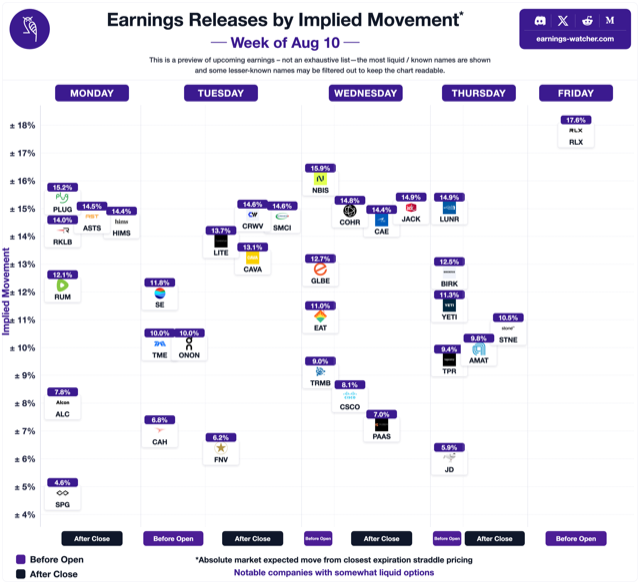
The real edge comes from when you sell that premium. Around earnings, implied volatility often inflates more than the actual move justifies — the IV crush that follows the report is exactly what a short-vol trade is built to capture. The key is selling premium only when it’s genuinely overpriced relative to the historical move.
Frequently asked questions
Is selling covered calls safe around earnings?
Covered calls feel safe because you own the shares, but earnings can gap the stock above your strike and your shares get called away, capping your upside. You keep all the downside while giving away your best winners — the risk shows up as opportunity cost.
Why is selling naked calls so risky?
A naked short call has unlimited loss on the upside. In a backtest of selling weekly calls on AMD, a single large upside move wiped out an account that had been slowly collecting premium for months.
What is a safer way to be short volatility?
Use defined-risk structures like iron butterflies and iron condors so your maximum loss is known before you enter, and sell premium only when it is genuinely overpriced relative to the stock's historical earnings move.